The proposal includes a clause on "immediate ceasefire" and a call to begin peace talks "as soon as possible", according to Pakistan.
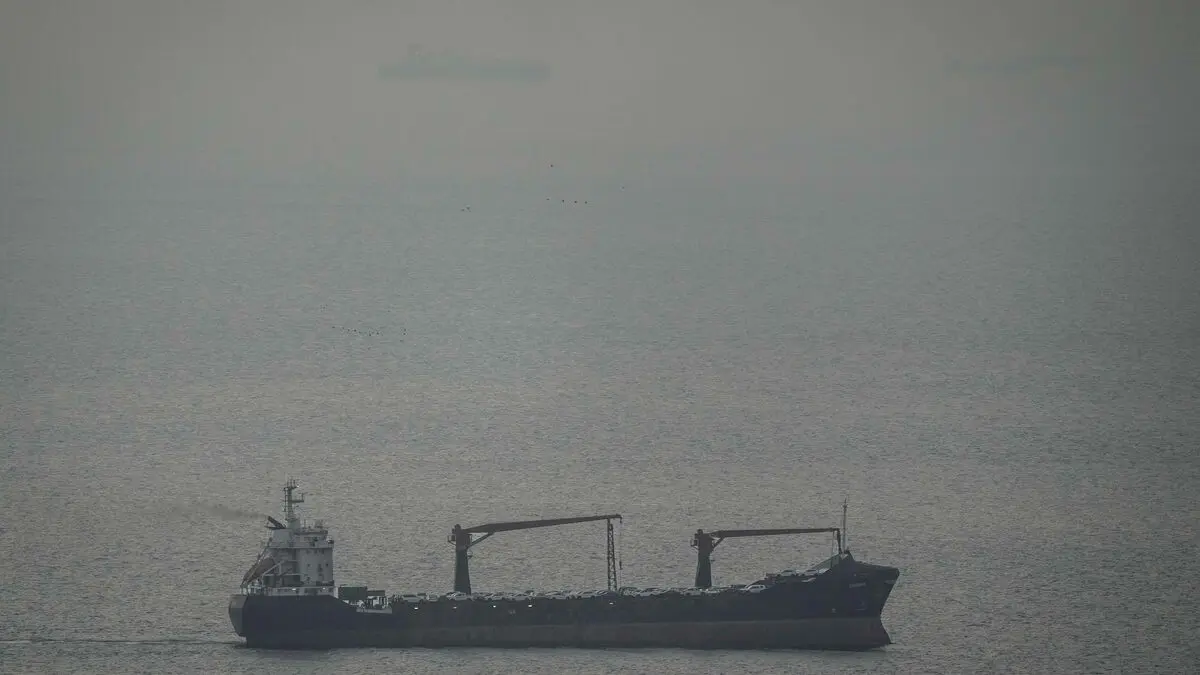
Another point concerns the safety of shipping lanes in the region. Islamabad and Beijing want the parties to “maintain the safety of ships and crews stranded in the Strait of Hormuz” and for merchant ships to be allowed to pass “as soon as possible.”
Troublesome for China
Pakistan has previously taken a central role in the negotiations to end the war. The fact that China is now also joining in may indicate growing concern about the consequences of the war, according to Björn Jerdén, head of the National Knowledge Center on China at the Swedish Institute for International Affairs.
The current situation is difficult; the lack of gas and oil imports is a direct blow to China, he says.
The long-term effects that the conflict could have on the world economy are also worrying. China is a major trading nation, and a weaker world economy and lower growth will negatively affect the country.
But it's not just economic concerns that are causing China to emerge - the country can also benefit from a more prominent role, says Jerdén.
China has often had a somewhat withdrawn role in these types of military crises and has been, with some exceptions, quite cautious. But if China proves to be a responsible country that can help and achieve a peaceful solution to a global crisis, it could benefit the country in the form of higher prestige.
“Not ordinary”
With the five-point plan, China is signaling that it is ready to take a more active role, says Jerdén - who at the same time does not want to exaggerate the importance of the country's development of the peace plan.
But if it were to lead to China actually stepping in as some kind of guarantor of a solution to the conflict, albeit a temporary one, that would be unusual. Then we'll see if it's realistic.